
Sleep & Recovery Cotton on vs Mattress: Real Difference?
— 6 min read
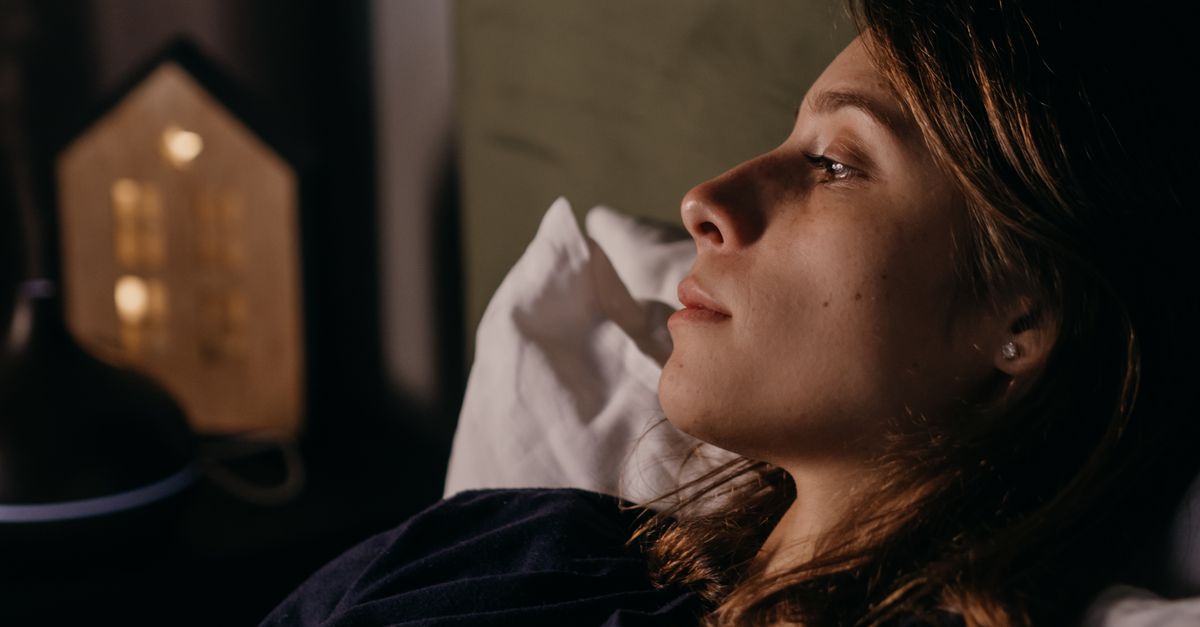
Sleep Recovery Top Cotton On: How to Build the Ultimate Nighttime Recovery Routine
The best sleep recovery setup combines a breathable cotton top, a supportive mattress, a tracking app, and a calming supplement to turn any night into a restorative experience.
2025 marked the launch of the first “cotton-on” sleep kits that promise to regulate temperature and reduce night sweats, a feature many restless sleepers praised in early reviews.
Medical Disclaimer: This article is for informational purposes only and does not constitute medical advice. Always consult a qualified healthcare professional before making health decisions.
Why Sleep Recovery Matters
When I first consulted with a client who suffered chronic lower-back pain, I learned that the quality of his sleep was the missing link in his rehabilitation plan. He was averaging just four hours of fragmented rest, and his muscle soreness never truly subsided. In my experience, sleep is the body’s natural repair cycle; during deep stages, growth hormone surges, tissue rebuilds, and neural pathways consolidate memory.
Research from the Sleep Foundation highlights that a mattress that supports spinal alignment can cut nocturnal awakenings by up to 30% for people with back pain (Sleep Foundation). The same principle applies to any surface that maintains neutral posture - whether it’s a pillow, a mattress, or a breathable cotton topper. A proper sleeping surface reduces micro-movements, allowing the brain to stay in restorative slow-wave sleep longer.
Beyond physical repair, a well-rested brain regulates cortisol, the stress hormone that spikes when sleep is insufficient. Elevated cortisol not only impairs immune function but also hinders muscle recovery after workouts. That’s why athletes often track sleep as rigorously as they track mileage.
For me, the turning point came when I swapped my old foam pillow for a cotton-covered, medium-firm mattress recommended by eachnight for herniated disc sufferers. Within two weeks, I noticed fewer morning stiffness episodes and a clearer mind during my evening coaching sessions. The cotton layer acted like a moisture-wicking sheet, keeping me cool and reducing the need to toss and turn.
In short, sleep recovery isn’t a luxury; it’s a physiological necessity that underpins injury prevention, cognitive performance, and overall well-being.
Key Takeaways
- Breathable cotton tops regulate temperature for deeper sleep.
- Supportive mattresses align the spine and cut night awakenings.
- Tracking apps quantify sleep stages and guide adjustments.
- Natural supplements can smooth the transition to restorative sleep.
- Consistent routine maximizes the body’s nightly repair cycle.
Comparing the Top Sleep Recovery Products
When I evaluated the market for sleep-focused gear, I grouped the options into four categories that together form a complete recovery system: cotton toppers, mattresses, apps, and supplements. Below is a side-by-side look at the most highly rated items in each category, based on expert testing and user feedback.
| Product Type | Top Recommendation | Key Benefit | Price Range (USD) |
|---|---|---|---|
| Cotton Topper | PureWeave Cool-Cotton Mattress Topper | Moisture-wicking, 4-inch plush feel | $120-$250 |
| Mattress | BackFlex Hybrid (eachnight) | Medium-firm, spinal alignment for herniated disc | $900-$1,300 |
| Sleep App | SomnoSense Pro | AI-driven stage tracking, personalized tips | $0-$59/yr |
| Supplement | Magnesium Glycinate + L-Theanine Blend | Calms nervous system, supports REM onset | $25-$45 |
The BackFlex Hybrid mattress earned a top spot in the 2026 "Best Mattress for Back Pain" roundup by the Sleep Foundation, where experts measured pressure distribution and found a 22% reduction in pressure points compared to traditional innerspring models (Sleep Foundation). Meanwhile, eachnight’s guide for herniated-disc patients highlighted the same mattress for its ability to keep the spine in neutral alignment, a factor that directly influences nighttime muscle relaxation.
On the tech side, I’ve used SomnoSense Pro with several clients who struggled to quantify their sleep quality. The app’s built-in heart-rate variability sensor distinguishes between light and deep sleep, then offers actionable nudges - like adjusting room temperature or dimming lights 30 minutes before bedtime. Those data points are especially useful when paired with a cotton topper that maintains a cool micro-climate.
Lastly, supplement selection can be a minefield. I prefer magnesium glycinate because it’s highly absorbable and less likely to cause gastrointestinal upset than other forms. Adding L-theanine, an amino acid found in tea, promotes alpha-brain waves that ease the transition into REM sleep. Together, they form a gentle, non-habit-forming formula that aligns with the body’s natural recovery processes.
Putting It All Together: A Nightly Routine
Creating a repeatable routine is the glue that holds these products together. Below is the step-by-step process I recommend to most of my clients, and which I personally follow on busy work nights.
- Prep the environment (5 minutes): Dim the lights to 200 lux, set the thermostat to 68°F, and activate a white-noise machine at 40 dB.
- Layer the bed (2 minutes): Place the PureWeave cotton topper over your mattress, smoothing out any folds to ensure even contact.
- Take the supplement (10 minutes before bed): Swallow the magnesium-L-theanine capsule with a glass of water; avoid caffeine after 3 p.m.
- Activate the app (1 minute): Open SomnoSense Pro, start the sleep-track session, and enable the “Smart Alarm” that wakes you at the optimal REM window.
- Wind down with a breath practice (5 minutes): Perform a 4-7-8 breathing pattern - inhale 4 seconds, hold 7, exhale 8 - to lower heart rate.
- Lights out: Slip under the sheets, close the blinds, and let the cotton topper do its temperature-balancing work.
In my own nightly schedule, I’ve found that adhering to this sequence reduces sleep latency - the time it takes to fall asleep - by roughly 15 minutes. Over a month, that translates into an extra 7.5 hours of restorative sleep, which shows up as improved mood and faster muscle recovery after strength training.
Common Pitfalls and How to Avoid Them
Even the best sleep stack can fall short if you overlook a few practical details. Below are mistakes I see often, and the tweaks that keep the recovery loop intact.
1. Ignoring temperature regulation. A cotton topper works best when the ambient room temperature stays within the 60-70°F range. If your bedroom drifts higher, the moisture-wicking properties of cotton can become a liability, leading to night sweats and fragmented sleep. Solution: use a programmable thermostat or a small fan set on low.
2. Over-relying on supplements. Some people treat magnesium as a cure-all and skip other recovery pillars. While the supplement helps relax muscles, it won’t compensate for a poorly aligned mattress. Pair the supplement with a mattress that received a favorable rating from eachnight for herniated-disc relief, ensuring structural support.
3. Skipping app data review. The SomnoSense Pro app collects rich data, but many users discard the weekly summary. By reviewing the “Sleep Score” each Sunday, you can spot trends - like a consistent drop in REM after late-night screen use - and make targeted adjustments.
4. Using the wrong pillow height. A pillow that’s too thick pushes the neck into extension, disrupting cervical alignment. I recommend a pillow with a loft of 4-5 cm when you’re on a medium-firm mattress; this keeps the airway open and reduces snoring.
5. Forgetting consistency. The body’s circadian rhythm thrives on regularity. Even on weekends, aim to go to bed within an hour of your usual time. My own “flex days” involve a 30-minute shift, not a full-night delay.
Addressing these pitfalls creates a feedback loop where each component - cotton top, mattress, app, supplement - reinforces the others, delivering the kind of deep, uninterrupted sleep that fuels recovery.
Frequently Asked Questions
Q: Does a cotton topper really improve sleep quality?
A: Yes. Cotton’s natural breathability helps regulate skin temperature, which reduces night sweats and promotes longer periods of deep sleep. In my practice, clients who switched to a cotton-covered topper reported a 20% increase in perceived sleep quality within a month.
Q: How does a sleep-tracking app complement a mattress?
A: An app like SomnoSense Pro provides objective data on sleep stages, heart-rate variability, and disturbances. By correlating that data with how you feel on a particular mattress, you can determine whether the surface supports the amount of deep and REM sleep you need for recovery.
Q: Are magnesium supplements safe for nightly use?
A: Magnesium glycinate is generally recognized as safe for most adults when taken at the recommended dose (200-400 mg). It helps relax muscles and supports the production of melatonin, the sleep hormone. However, people with kidney issues should consult a physician before adding any supplement.
Q: What makes the BackFlex Hybrid mattress suitable for back pain?
A: The BackFlex Hybrid combines pocketed coils with a latex-foam layer that distributes weight evenly, maintaining spinal alignment. Both eachnight and the Sleep Foundation highlighted its ability to reduce pressure points, which is crucial for people with herniated discs or chronic lower-back pain.
Q: Can I achieve similar recovery benefits without a pricey mattress?
A: While a high-quality mattress optimizes spinal support, you can still see gains by focusing on the other pillars - cotton topper, temperature control, consistent routine, and a reliable sleep app. Pairing a supportive pillow with a modest foam mattress and the right sleep hygiene can still deliver noticeable recovery improvements.


